Come and See: Twenty Years of Misa Alegría

Come and See: Twenty Years of Misa Alegría

Come and See: Twenty Years of Misa Alegría

Come and See: Twenty Years of Misa Alegría

Unmistakable Joy

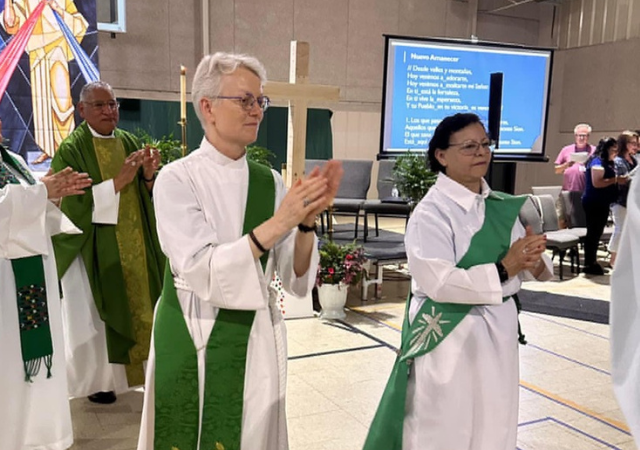
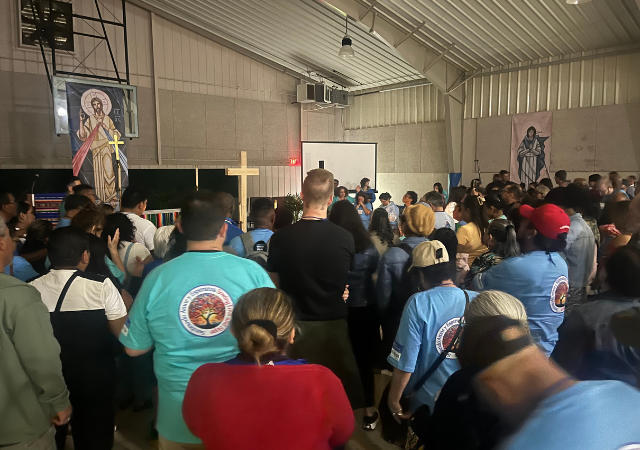
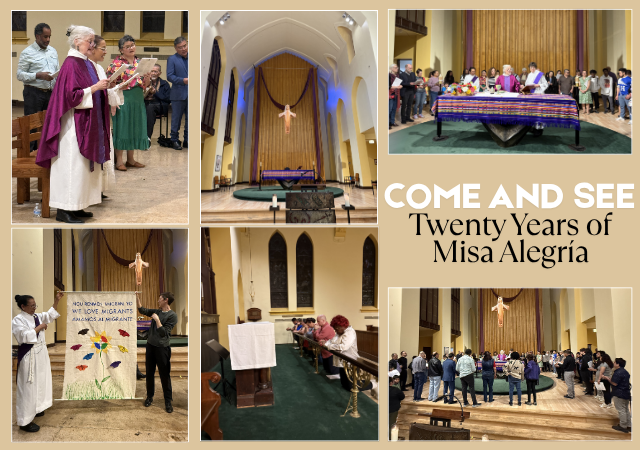
On March 8, 2026—the Third Sunday of Lent—St. Stephen and the Incarnation filled with laughter, prayer, music, and unmistakable joy. Parishioners, families, longtime members, friends, and visitors gathered at the 5:30 p.m. service to celebrate the 20th anniversary of Misa Alegría, the parish’s vibrant, Spanish-speaking faith community.

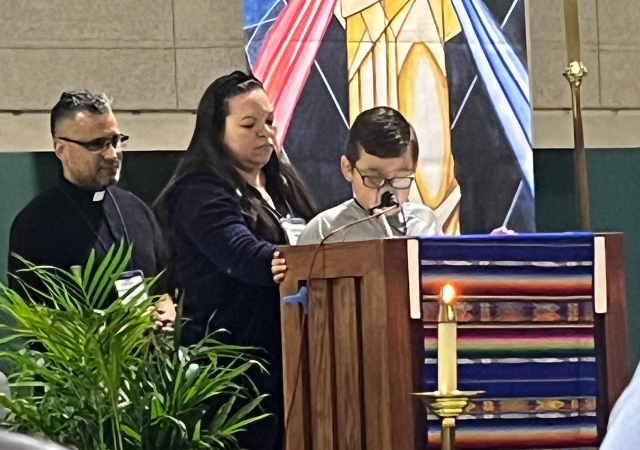
Standing before the congregation that afternoon, it was impossible not to notice the celebratory spirit in the room. Children’s voices were heard among the gathered community, familiar hymns were sung, and the bilingual liturgy was rich with thanksgiving. The service reflected twenty years of shared prayer, friendship, leadership, and faith.

According to diocesan archives, the story of Misa Alegría began quietly in 2006. A small group gathered in the parish chapel to celebrate the Holy Eucharist in Spanish for the first time. Some came searching for a community of faith. Others came because they longed to pray familiar words of the liturgy in their first language. Many came because someone extended a simple invitation: “Ven y verás—Come and see.”

That small gathering would grow into what is now known as Misa Alegría. Over the years, the community has become a source of spiritual nourishment, leadership, cultural expression, and belonging—within the parish and beyond.

Invitation and Witness

During the sermon, the Gospel story of Jesus meeting the Samaritan woman at the well offered a powerful image for the occasion. In that encounter, Jesus crosses social and religious boundaries to meet someone who might otherwise have been overlooked. The woman’s encounter with Christ becomes transformative, and she invites her community to come and see for themselves.

In many ways, the story of Misa Alegría reflects the same movement of invitation and witness. What began as a small gathering has grown into a living source of faith where the Gospel is proclaimed in Spanish and English and where families find belonging.

The history of St. Stephen and the Incarnation reflects a longstanding spirit of discernment and courage. For more than a century, the parish has responded to the changing needs of its community—becoming the first integrated Episcopal parish in Washington, D.C., supporting the full inclusion of women in ordained ministry, and opening ministries such as Loaves and Fishes to serve neighbors in need.

The creation of Misa Alegría grew from this same commitment to listen for the movement of the Holy Spirit. In the early 2000s, as the neighborhood surrounding the church changed and Spanish-speaking families became an integral part of the community, the parish discerned a new call. In 2005, the vestry established a Latino ministry and called the Rev. Sarabeth Goodwin to help nurture that vision. The following year, the first Spanish-language Eucharist was celebrated, marking the beginning of what would become Misa Alegría.
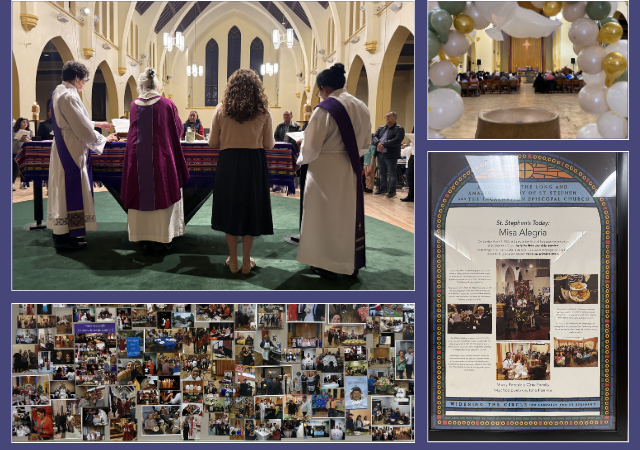
Twenty Years of Misa Alegría in photos

Twenty Years of Misa Alegría in photos

The Story is Still Unfolding

Two decades later, the fruits of that decision were evident in the joyful anniversary celebration.

The Rev. Yoimel González Hernández, rector of St. Stephen and the Incarnation, reflected on the deeper meaning of the milestone:

“Celebrating the 20th Anniversary of Misa Alegría is an act of faith and witness amidst very difficult times for our immigrant communities in this country and the District of Columbia. We celebrate because God calls us to testify that love, justice, and welcoming the most vulnerable among us are signs of God’s kingdom.”

His words captured the spirit of the day. The celebration honored those who began the ministry and those who continue to sustain it. It was a moment of gratitude—and a reminder that the story is still unfolding.

Twenty years after that first gathering in the chapel, the invitation remains the same: Come and see what God is doing among us.
EDOW Celebra el Ministerio Latino/Hispano Y el Mes de la Herencia Hispana

EDOW Celebra el Ministerio Latino/Hispano Y el Mes de la Herencia Hispana

El Mes de la Herencia Hispana, que se celebra anualmente del 15 de septiembre al 15 de octubre, es un momento para celebrar las contribuciones que los Latinos/Hispanos como comunidad han hecho a la sociedad estadounidense compartiendo su cultura, comida, arte y tradiciones.
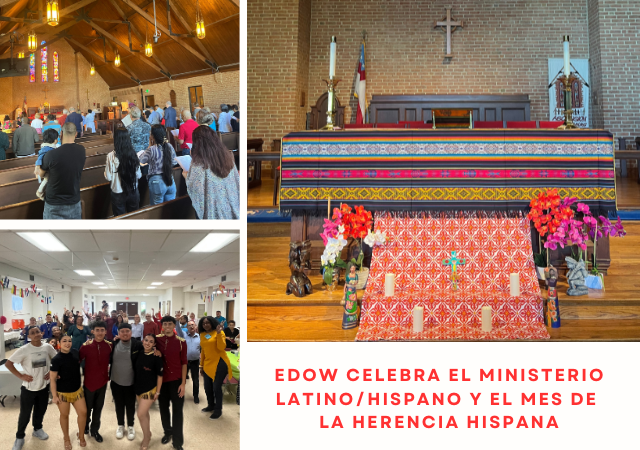
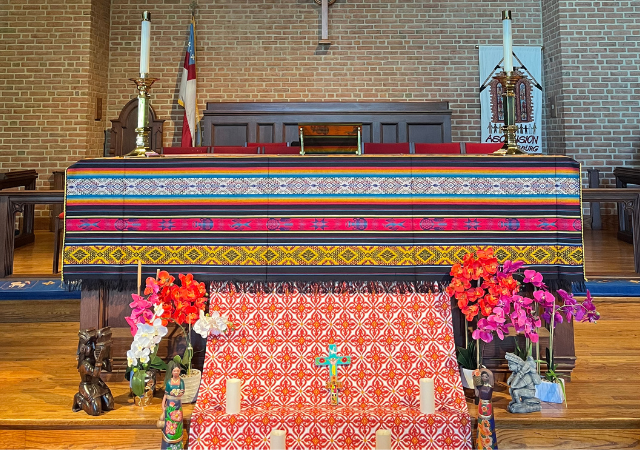
The Altar at Church of the Ascension, Gaithersburg
El sábado 5 de octubre en la Iglesia Episcopal de la Ascensión en Gaithersburg, MD, miembros fieles de todos los rincones de la diócesis acudieron con alegría para adorar, cantar y celebrar más de 25 años de Latinos tejiendo sus vibrantes tapices en el tejido mismo de la vida diocesana y ayudando a formar el cuerpo de Cristo en la Diócesis Episcopal de Washington.
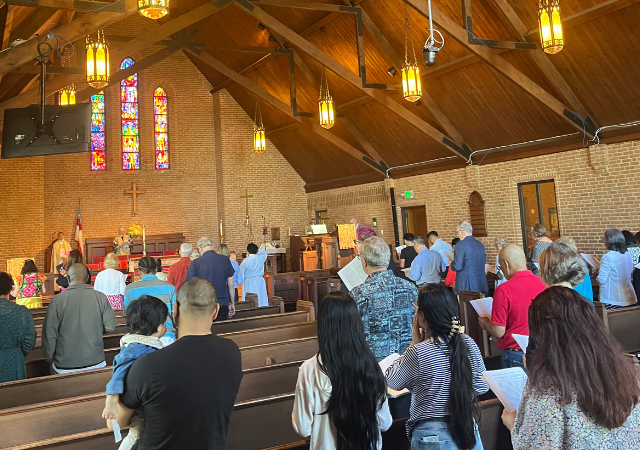
The faithful gathering to worship in celebration of 25 years of Latino/Hispanic ministry in EDOW.

Como nos recordó Fredis Díaz, nuestro predicador laico, en el campo de la fe como ministerio latino/a/x/e, hemos florecido, hemos crecido y hemos encontrado esperanza en todas las parroquias. En la Iglesia Episcopal, hemos encontrado un lugar para adorar a Dios, hemos encontrado un lugar seguro donde podemos vivir de acuerdo a nuestra fe… Dios nos anima a un llamado de compasión, una invitación al amor, y un llamado a la acción, el amor y la compasión son más importantes que las palabras. Que nunca olvidemos que, al ayudar a un hermano, no solo hacemos un pequeño gesto, sino que abrazamos la esencia misma de la humanidad y tocamos el corazón de Jesús.

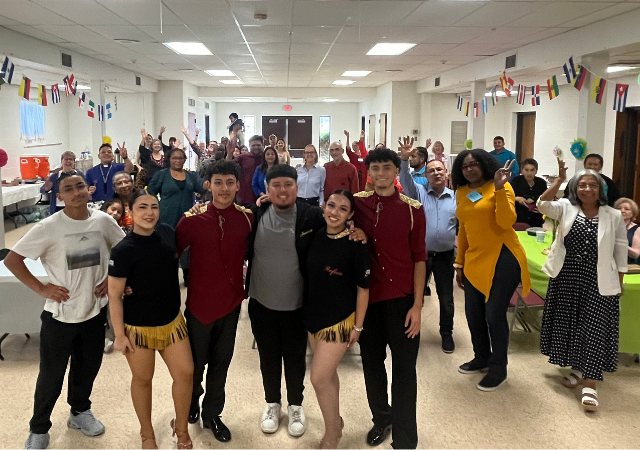
Sharing culture, food, art, and traditions after the service
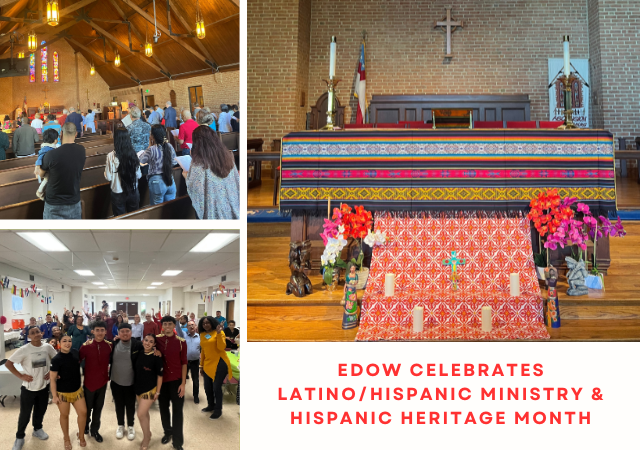
EDOW Celebrates Latino/Hispanic Ministry and Hispanic Heritage Month

EDOW Celebrates Latino/Hispanic Ministry and Hispanic Heritage Month

Hispanic Heritage Month, observed annually from September 15 to October 15, is a time to celebrate the contributions that Latinos/Hispanics as a community have made to U.S. society by sharing their culture, food, art, and traditions.
The Altar at Church of the Ascension, Gaithersburg
On Saturday, October 5 at the Episcopal Church of the Ascension in Gaithersburg, MD, faithful members from all corners of the diocese joyfully came to worship, sing, and celebrate over 25 years of Latinos weaving their vibrant tapestries into the very fabric of diocesan life and helping to form the body of Christ in the Episcopal Diocese of Washington.
The faithful gathering to worship in celebration of 25 years of Latino/Hispanic ministry in EDOW.

As Fredis Díaz, our lay preacher reminded us, in the field of faith as a Latino/a/x/e ministry, we have flourished, we have grown, and we have found hope throughout all the parishes. In The Episcopal Church, we have found a place to worship God, we have found a safe place where we can live according to our faith… God encourages us to a call of compassion, an invitation to love, and a call to action, love, and compassion are more important than words. May we never forget that, in helping a sibling, we are not only making a small gesture, but we are embracing the very essence of humanity and touching the heart of Jesus.

Sharing culture, food, art, and traditions after the service
EDOW Eucharistic Celebration of Hispanic Heritage Month

EDOW Eucharistic Celebration of Hispanic Heritage Month

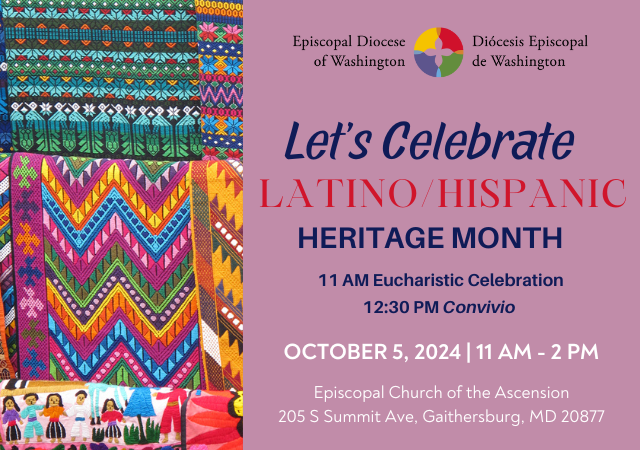
In celebration of Hispanic Heritage Month, we welcome you to attend the Eucharistic celebration on Saturday, October 5 at 11:00 a.m. at the Episcopal Church of the Ascension in Gaithersburg, MD.

Join us as we celebrate over 35 years of the Latino/Hispanic community in our diocese by praising God with drum and dance; with strings and pipe; with loud cymbals; with clashing cymbals! (Ps. 150:4-6)

Bendecido, Prosperado, y en Victoria

Bendecido, Prosperado, y en Victoria

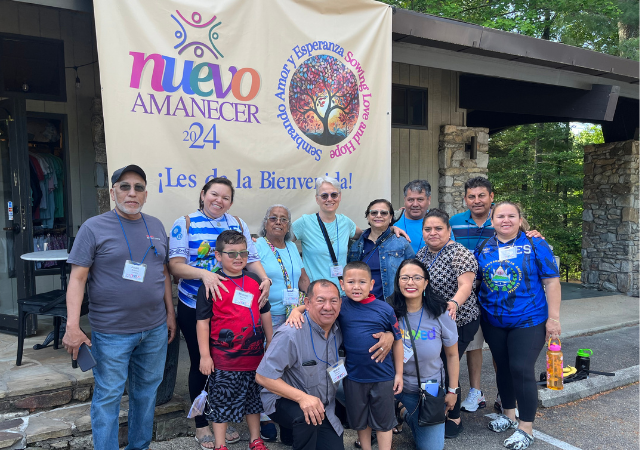
EDOW Delegation to Nuevo Amanecer
Nuevo Amanecer 2024 (2)
Nuevo Amanecer 2024 (8)
Nuevo Amanecer 2024 (9)
Nuevo Amanecer 2024 (7)
Nuevo Amanecer 2024 (8)
Nuevo Amanecer 2024 (6)
Nuevo Amanecer 2024 (5)

Reunirse es sólo el principio. Doce miembros de la Diócesis de Washington se reunieron el 3 de junio temprano por la mañana para dirigirse a la reunión bienal de Nuevo Amanecer 2024, que celebra los ministerios latinos/hispanos en toda la Iglesia Episcopal en el Centro de Conferencias y Retiros Kanuga en Hendersonville, Carolina del Norte. Durante tres días, más de trescientos episcopales latinos se reunieron del 3 al 6 de junio para discutir la posibilidad del tema de este año Sembrando Amor y Esperanza (Sowing Love and Hope).

Nuevo Amanecer es más que una conferencia, es un espacio polifacético que te sumergirá en una reunión familiar, una aula, una sala de reuniones y estrategias entre pares, una sesión de llamada y respuesta, una fiesta, un campamento, un lugar para reflexionar y renovarse, y una capilla. Pero de todos los espacios posibles que uno puede crear e imaginar, Nuevo Amanecer es un espacio donde el Espíritu Santo puede sorprenderte con casi cualquier cosa y hacerse sentir a través de cada uno de los individuos reunidos.

Participamos en diversos talleres, desde gobernanza hasta plantación de iglesias y prácticas espirituales. Abiertos a la presencia del Espíritu, experimentamos una amplia gama de expresiones de adoración, desde la iglesia alta con incienso hasta un espacio meditativo contemporáneo de estaciones de oración centradas en un peregrinaje de renovación; desde música vibrante y diversa, desde nuestros tradicionales coritos del corazón hasta cantos más llenos de ritmo como Estamos de Fiesta con Jesús, que unas semanas después, todavía me transportan, en cuerpo y alma, de vuelta al maravilloso tiempo de Nuevo Amanecer.

En diferentes momentos del día en que nos reuníamos, el Dr. Alexander Carmona, copresidente del equipo de planificación de Nuevo Amanecer y miembro de la Diócesis Episcopal de la República Dominicana, nos preguntaba: “¿Cómo está el pueblo de Dios?” y a modo de llamada y respuesta, respondíamos “Bendecido, prosperado, y en victoria”.

Me hizo preguntarme… ¿Cuán bendecidos, prósperos y victoriosos somos? Según un reciente artículo de Religion News Service sobre los episcopales latinos señalaba que “a pesar de las similitudes litúrgicas de la Iglesia Episcopal con la Iglesia católica, según un estudio de Pew de 2014, la Iglesia Episcopal se encuentra entre los grupos religiosos con menos diversidad racial de Estados Unidos, con un 90% de blancos en la denominación. En 2014, solo el 2% de la denominación era latina”.

A primera vista, podrían ser datos desalentadores. Sin embargo, algo que me quedó claro mientras escuchaba a todos los oradores y presentadores (incluyendo al Rvdsmo. David Rice, Obispo de la Diócesis Episcopal de San Joaquín; la Presidenta de la Cámara de Diputados Julia Ayala Harris; el Obispo Presidente Michael Curry, quien predicó en la Eucaristía de apertura, y el Reverendo Anthony Guillén, misionero de los Ministerios Latinos/Hispanos) es que la Iglesia Episcopal no está “muriendo”, sino que “la demografía está cambiando”, y esto es cierto también en los Ministerios Latinos/Hispanos.

Durante Nuevo Amanecer, fue rejuvenecedor ver que la mayoría del equipo de planificación era joven, con edades comprendidas entre los 20 y los 35 años, lo que introdujo una dinámica energizante en la conferencia. Y en nuestra diócesis, San Mateo en Hyattsville, Maryland – que es la mayor comunidad de fe episcopal de habla hispana en los Estados Unidos – ha visto un aumento de la participación de sus jóvenes y adultos jóvenes cada vez más interesados en construir relaciones, fortalecer su fe, y pertenecer a una comunidad segura.

La esperanza sembrada en Nuevo Amanecer es que seamos capaces de proporcionar un camino para que nuestros jóvenes y jóvenes adultos latinos den un paso fiel hacia el discernimiento de una llamada al liderazgo. Al canalizar su curiosidad y entusiasmo, al igual que Jesús pidió a sus discípulos que tuvieran fe, estamos pidiendo a estos nuevos y jóvenes discípulos valientes que se embarquen en el viaje de la transformación. Pero esto también significa que los líderes experimentados tienen que estar dispuestos a servir de mentores, guiar y estar presentes para los líderes venideros. Tenemos que estar dispuestos a escuchar las necesidades espirituales de nuestros jóvenes y a dar un paso de fe con ellos para explorar sus ideas.

Nuestra delegación recogió muchas conclusiones de este tiempo juntos, pero aún quedan preguntas importantes. ¿Cómo podemos seguir formando discípulos valientes dentro de la comunidad latina/hispana? ¿Cómo podemos asegurar que más jóvenes y adultos jóvenes tengan acceso a oportunidades de asistir a conferencias como estas? ¿Qué necesitamos individualmente y como comunidad para llevar a cabo la obra de Dios en nuestras iglesias? ¿Cómo tejeremos nuevas tradiciones con las raíces de nuestra cultura? ¿Cómo desarrollaremos discípulos nuevos y jóvenes para que participen en la gobernanza y liderazgo de la iglesia? ¿Cómo orientaremos a los nuevos líderes y a los que buscan la fe? ¿Cómo lograremos que nuestras comunidades de fe hispanohablantes sean financieramente estables? ¿Qué sembraremos con nuestro amor y nuestra esperanza para las generaciones presentes y futuras de episcopales latinos?

Sí, somos bendecidos, prósperos y victoriosos, así que manos a la obra que hay mucho que lograr.